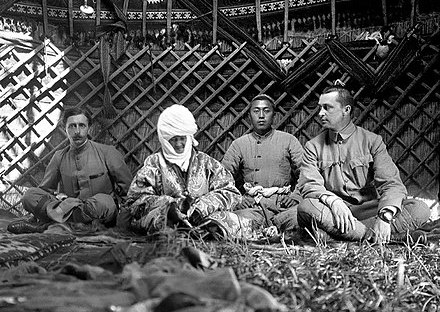
The Ancient Kyrgyz, also known as the Yensei Kyrgyz or the Khyagas (Khakas), were an ancient Turkic people who dwelled along the upper Yenisei River in the southern portion of the Minusinsk Depression in South Siberia from the 3rd century BCE to the 13th century CE. The heart of their homeland was the forested Tannu-Ola mountain range (known in ancient… Continue reading Ancient Kyrgyz
Category: History
Karakhanids
The Kara-Khanid Khanate was a Turkic dynasty that ruled in Transoxania in Central Asia, ruled by a dynasty known in literature as the Karakhanids, a royal titles with Kara Kağan being the most important Turkish title up till the end of the dynasty. By assimulating Islam in their original Turkic nomadic culture, the Kara-Khanid is left the most enduring cultural heritage among coexisting cultures in… Continue reading Karakhanids
Kurmanjan Datka
Kurmanjan Datka (1811 - 1907) also known as "The Tsaritsa of Alai" or "The Queen of the South", was a stateswoman in Kyrgyzstan who acquiesced under duress to the annexation of that region to Russia. She is now a national heroine. See My Russia page for the story of the Russian Conquest of Central Asia. The… Continue reading Kurmanjan Datka
Djailoo
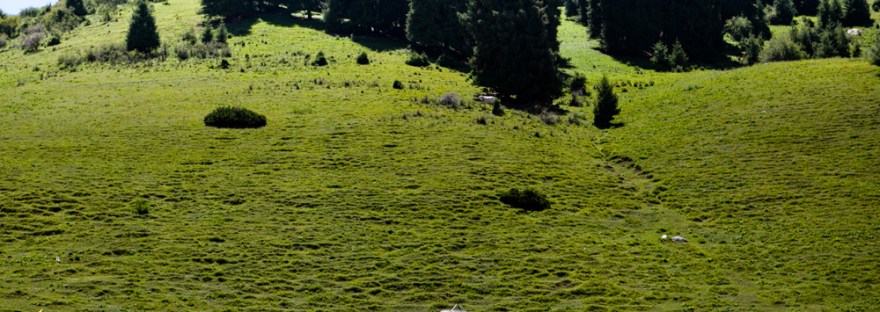
“Djailoo” in traditional Kyrgyz culture is a fundamental concept, embodying the summer pasture and grazing, where every year during warm period Kyrgyz nomads move their families and yurt homes. “Djailoo” occurs not only out of economic necessity, but also as a life-space and cultural practice that encourages free time and exploration for children. The precarious… Continue reading Djailoo
Scythians
The Scythians were a group of Iranian people,[known as the Eurasian nomads, who inhabited the western and central Eurasian steppes from about the 9th century BC until about the 1st century BC. Scythia was the Greek term for the grasslands north and east of the Black Sea. Scythian art is distinctive. The best-known account of the Scythians is in Book IV of the Histories of Herodotus. The Scythians… Continue reading Scythians